
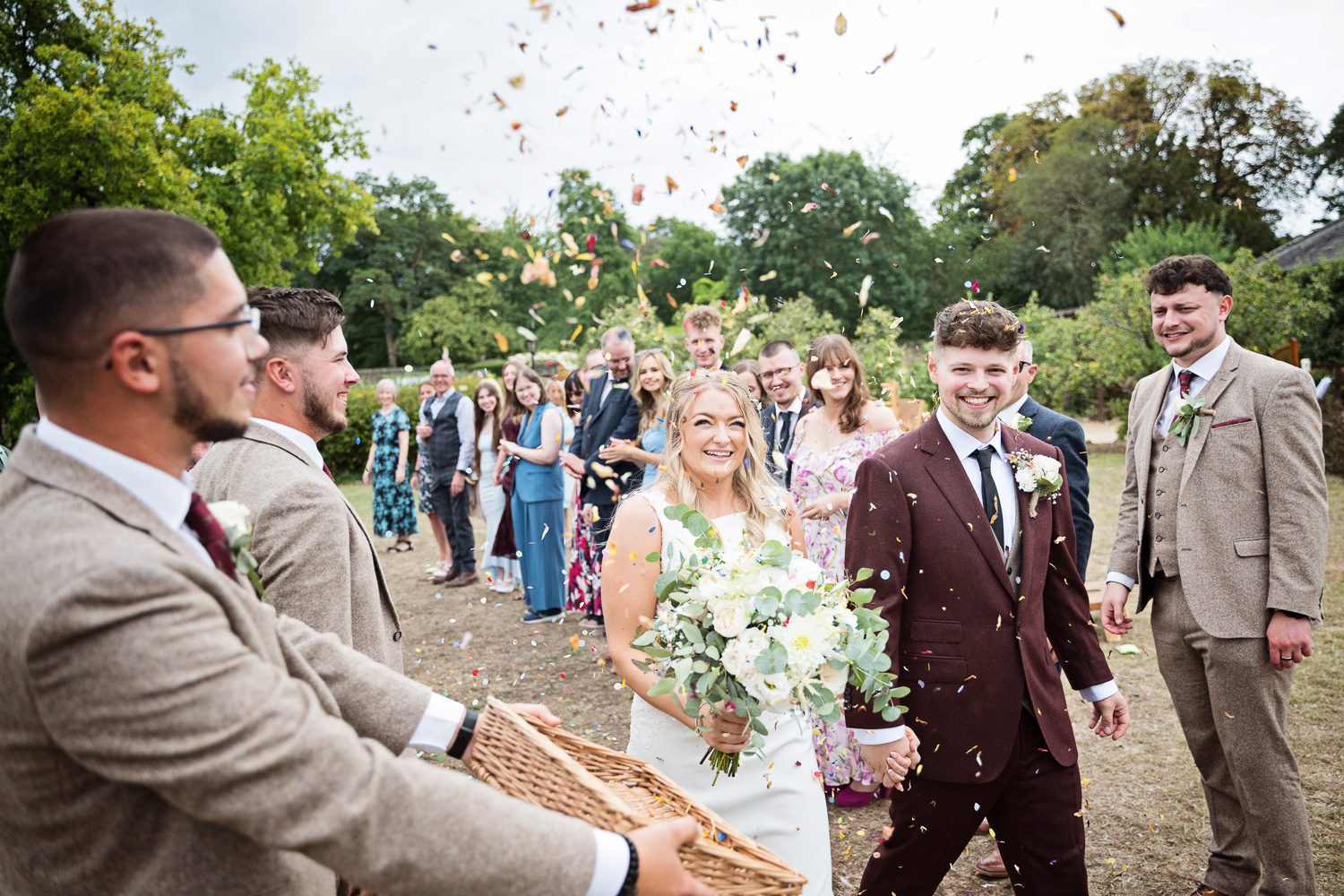
1. What happens if you’re ill?
It’s not dramatic to ask. It’s sensible.
After nearly two decades in this industry, I’ve built strong relationships with trusted professional photographers. If I were ever unable to you wouldn’t be left panicking the night before your wedding. As kind of an insurance if the worst were to happen (after all I am human!) I would ensure that you have an experienced wedding photographer to photograph your special day at no additional cost to yourselves.
Peace of mind matters as does my reputation. I haven’t got 5 stars on google for nothing! 🥰
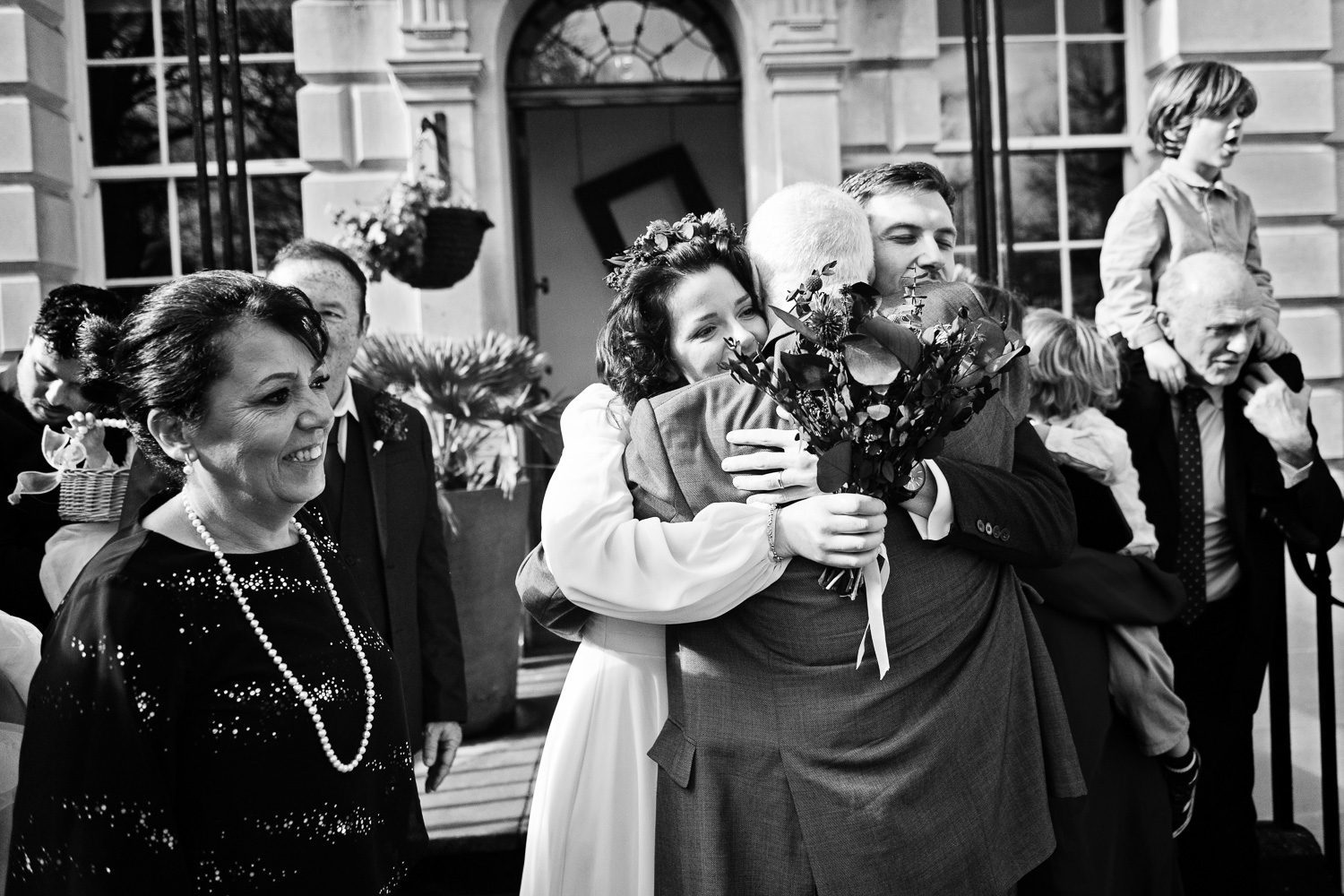
2. Have you photographed at our venue before?
What’s more important is whether your photographer can walk into any setting and adapt quickly. Churches, barns, stately homes, marquee weddings in the middle of a field… light changes constantly. Weather changes constantly. Timings almost always shift.
You want someone calm who can adjust without fuss.
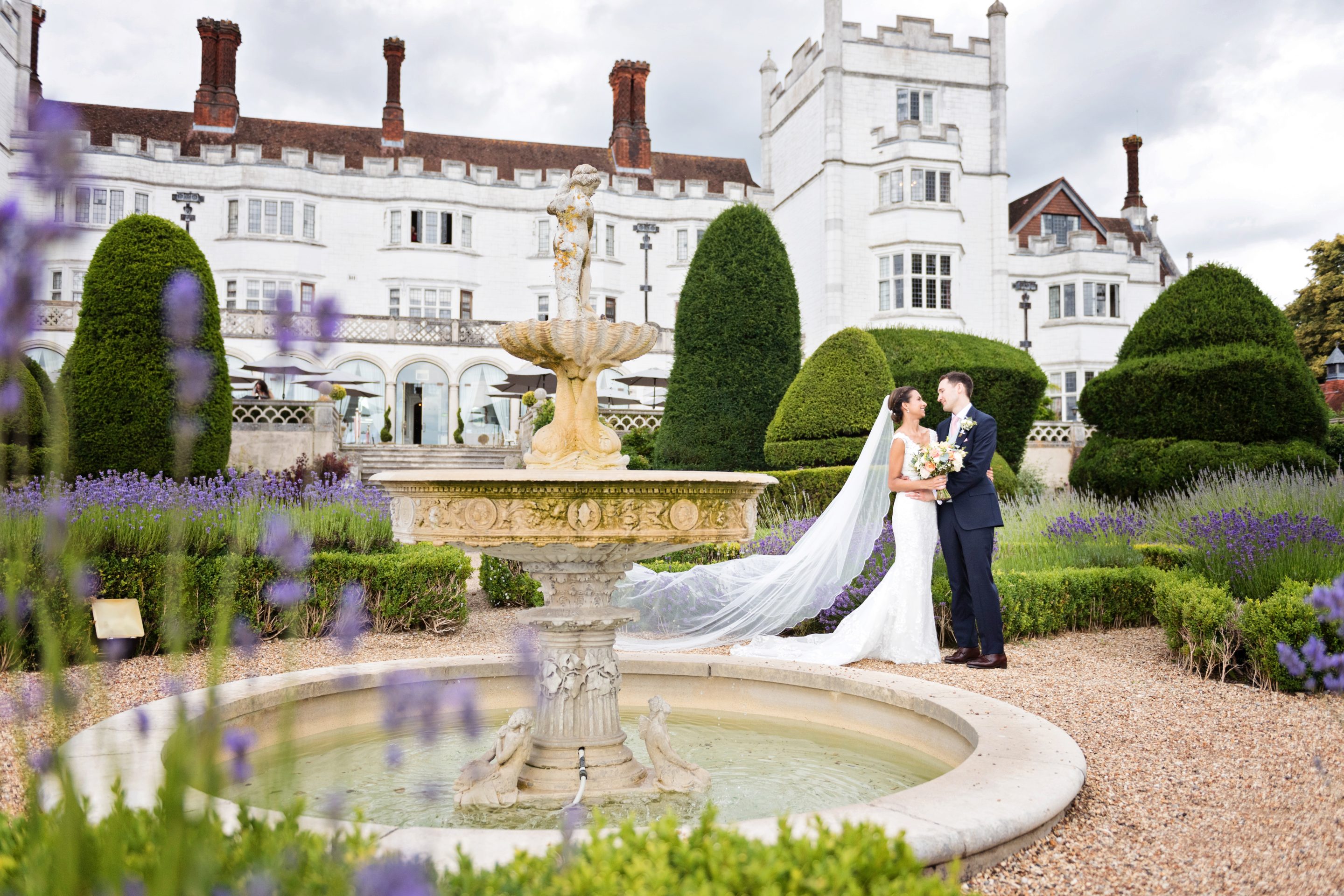
3. How do you handle difficult lighting?
Dark churches. Bright midday sun. Marquees at dusk. Candles at speeches.
Digital photography changed everything for me back in 2005. It meant being able to move quickly between settings and focus on storytelling rather than limitations. Knowing how to handle light — quietly and confidently — is a huge part of the job.
I now come armed not only with state of the art cameras but also a range of lighting equipment, meaning I can photograph the speeches in the dark, or make an unlit area of a barn suitable for group photos when it is raining.
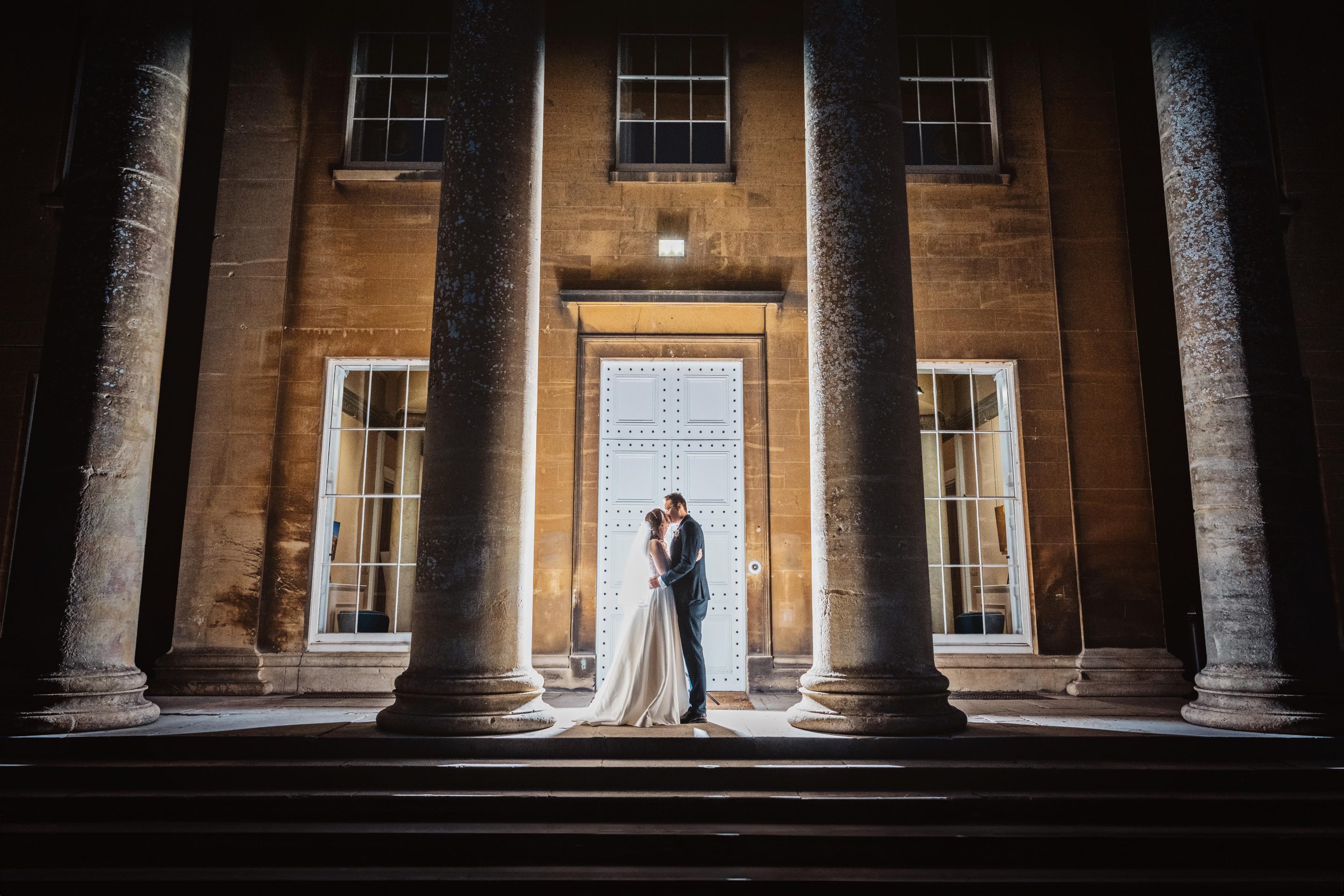
4. How do you help people who hate having their photo taken?
The truth? Most people feel awkward at first. That’s normal. My approach has always been unobtrusive and reportage-led. I blend in. I chat. I get to know families. The more comfortable people feel, the more natural the photographs become.
My main reassurance though is to not look at the camera. The fly on the wall approach helps with this. The moment you look at the camera, the nerves not only go up, but you also loose the naturalness that is created by being in the moment.
You shouldn’t feel like you’re on a photoshoot all day.
5. How many weddings have you photographed?
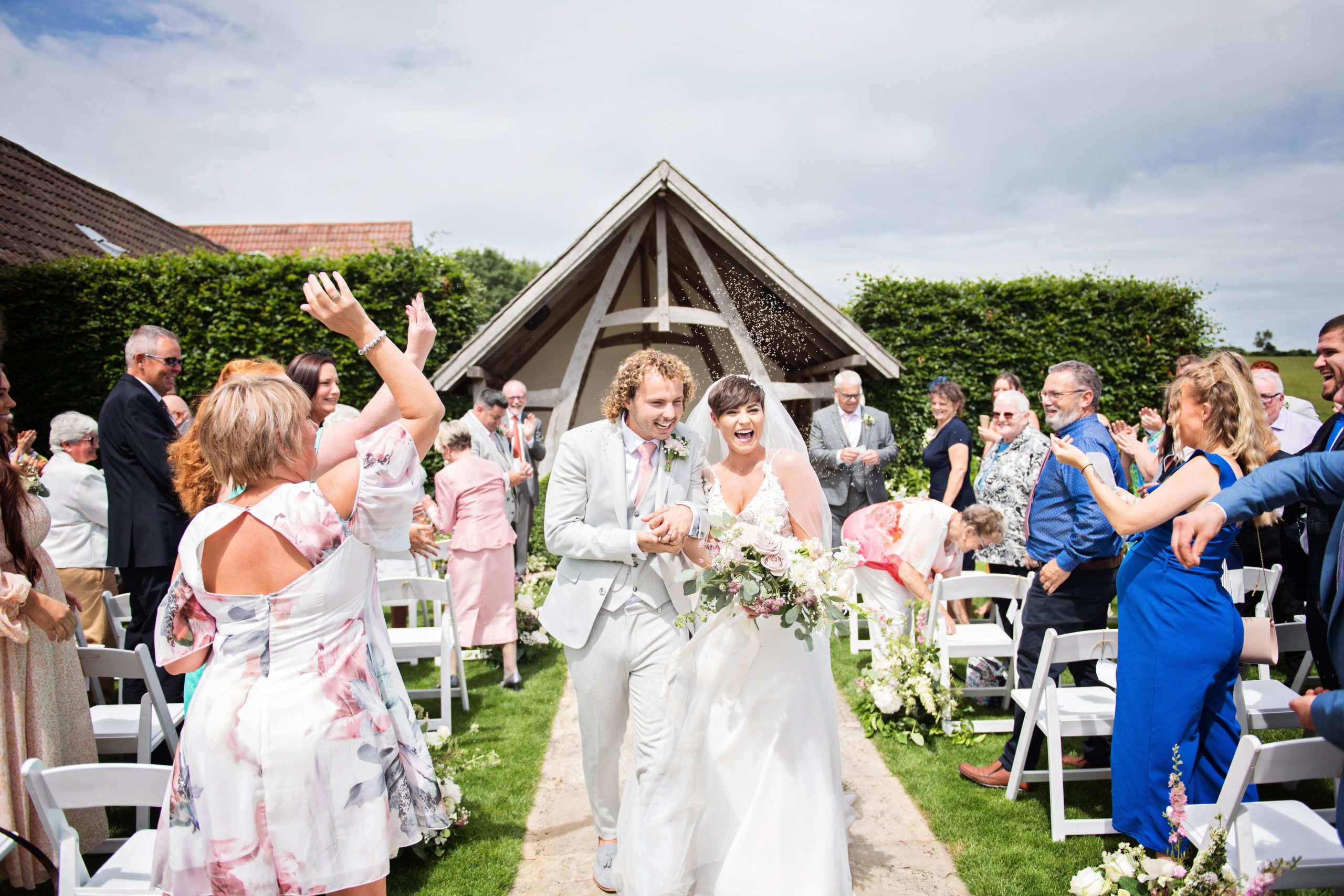
It means knowing when to step back. When to step in. When to gently speed things up. When to give a couple five minutes alone.
After photographing nearly a 1000 wedding’s since 2006, very little surprises me anymore — and that calmness filters through the whole day
6. What happens during group photos?
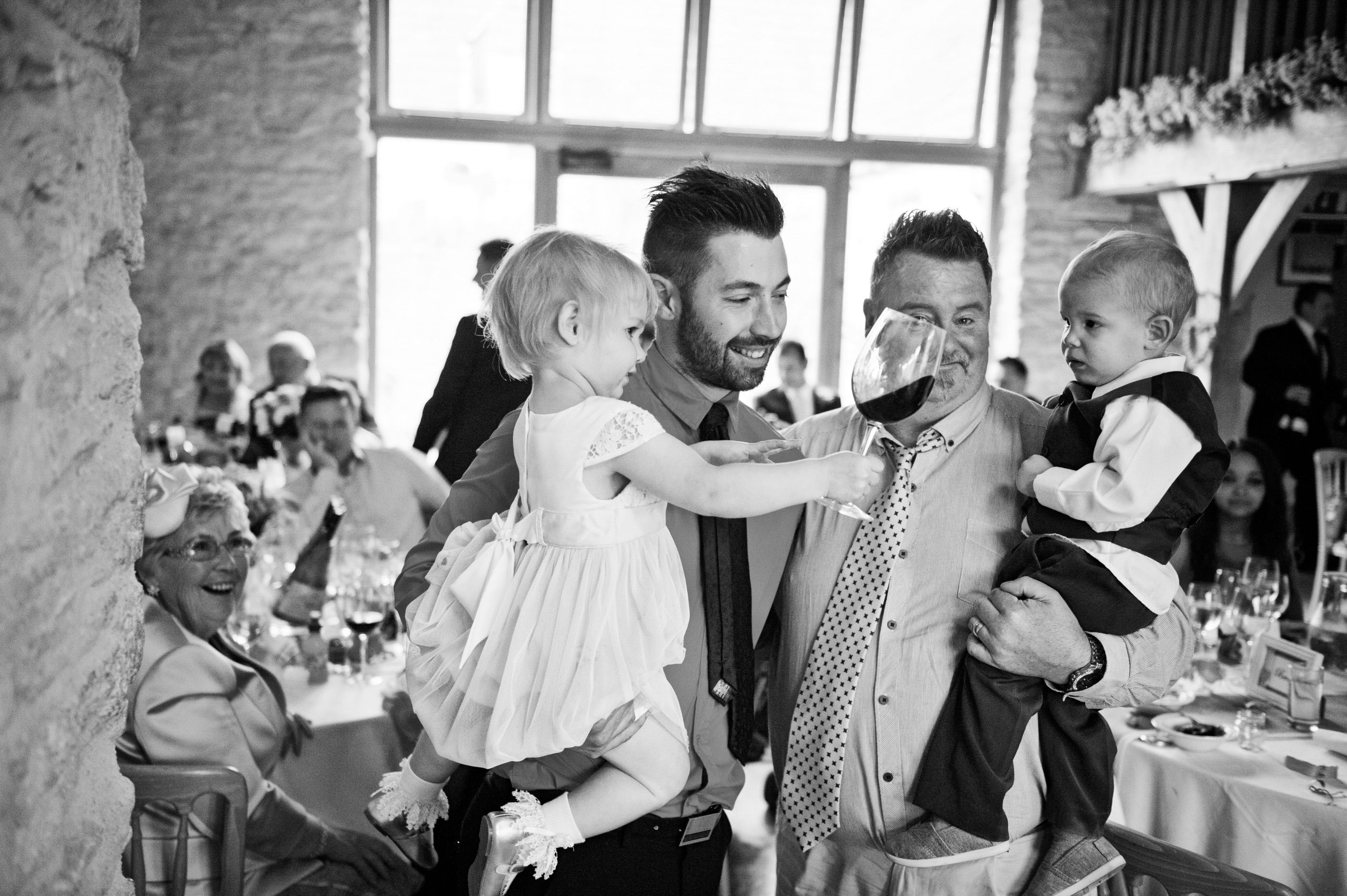
When I got married in 2004, we had far too many formal photographs. Once they were done, that was it. Looking back, I wish we’d kept them quicker and more relaxed.
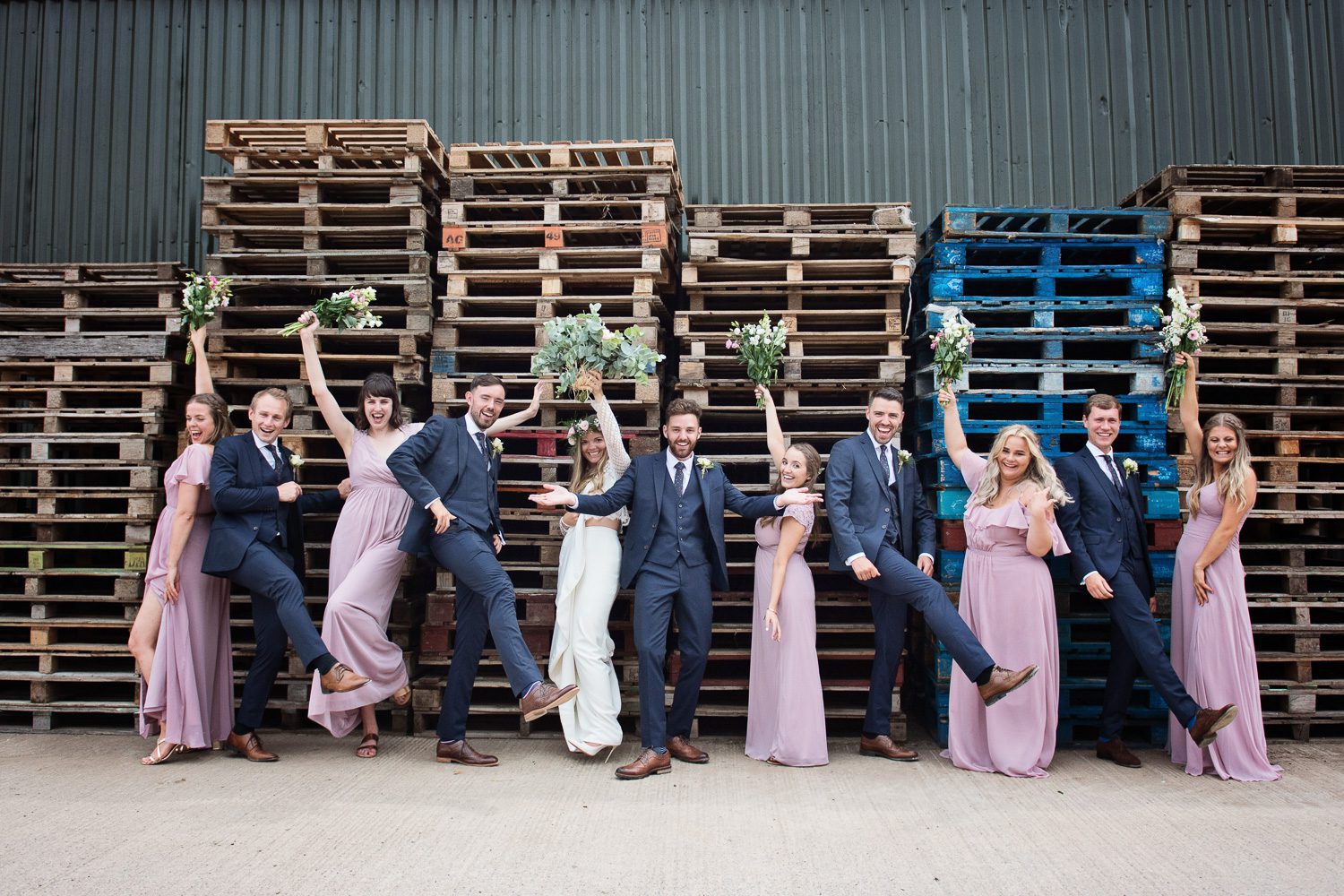
Now, I’ll absolutely do group shots — but efficiently and with a bit of humour. Ten to fifteen minutes, organised, done. Then you get back to your guests.
However, I will say if the weather is on our side then my preference is to not do any group shots until at least 30 min after your wedding ceremony. That way you and your wedding guests can be in the moment and I get lots of natural candid instead of disrupting the flow of the day.
7. How long will you stay?
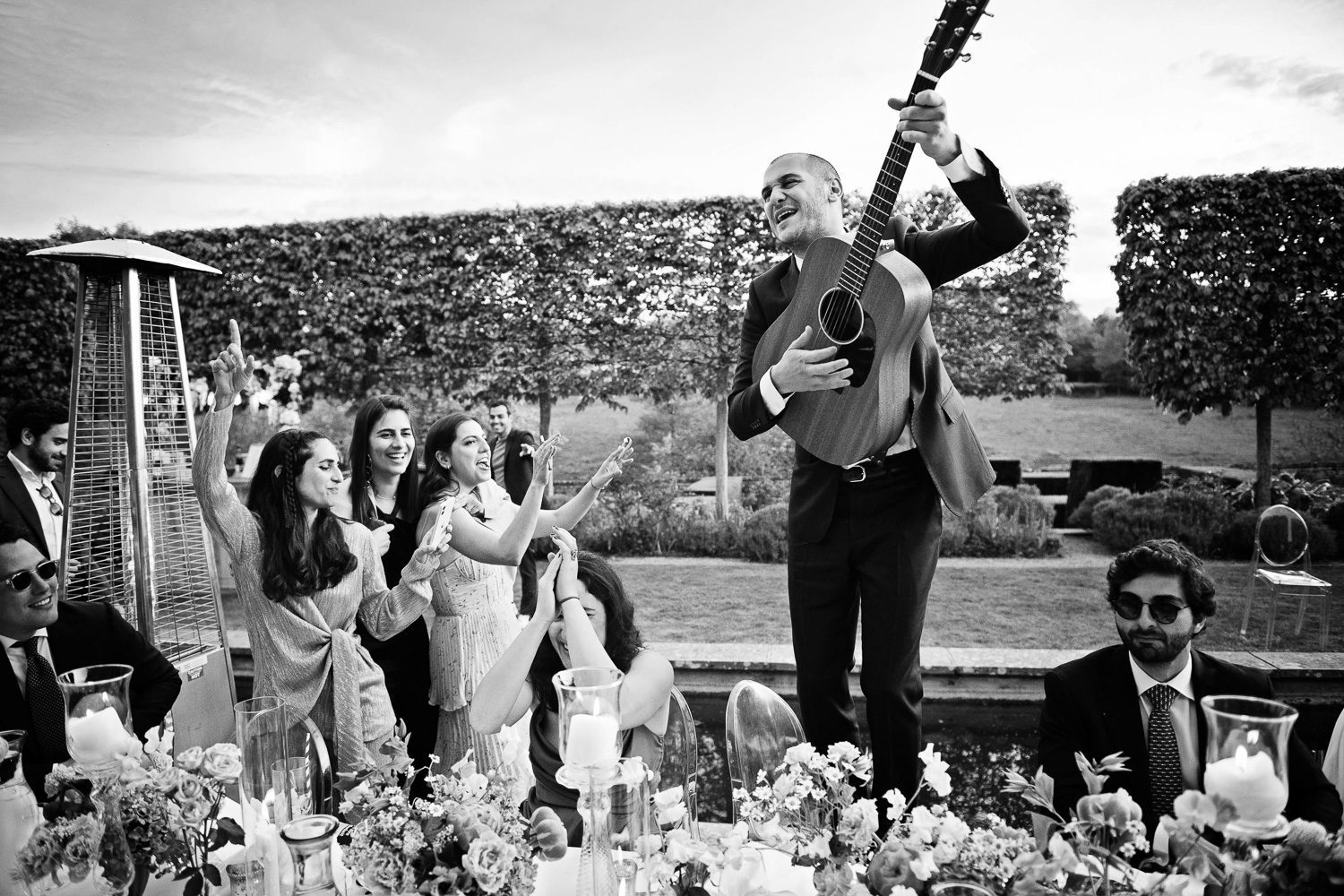
From morning preparations to dancing, each part adds context. I always talk couples through what makes sense for their day rather than offering a one-size-fits-all package.
All day coverage (at the same venue), requires roughly 8/9 hours from getting ready through to first dance. If you have more than one venue (such as a church wedding), requires slightly more coverage (roughly 10 hours coverage) so as to account time to travel.
If you are having a smaller wedding, or conscious of budget then I also offer a half day package (4 hours), which should cover perhaps the end of getting ready, the ceremony,
reception, group shots and first bits of wedding breakfast (perhaps the speeches if they are before the meal).
I will repeat though, when looking back after the day has passed, it’s so important to have created a story of your wedding. It doesn’t want to or need to be one line up after another.
8. How long until we receive our photos?
As a rule, I always strive to get you your photos by the time you come back from your honeymoon. Two weeks generally and maximum 3 weeks in the busy summer period (Generally August), but I will always keep you informed of this, so it doesn’t feel like you are kept hanging on.
Please check out my google ratings for proof of this – I continue to have a great reputation for wedding photo turnaround.
Make sure you know your photographer’s editing timeline. Consistency and communication matter here.
9. What do you notice that couples often miss?
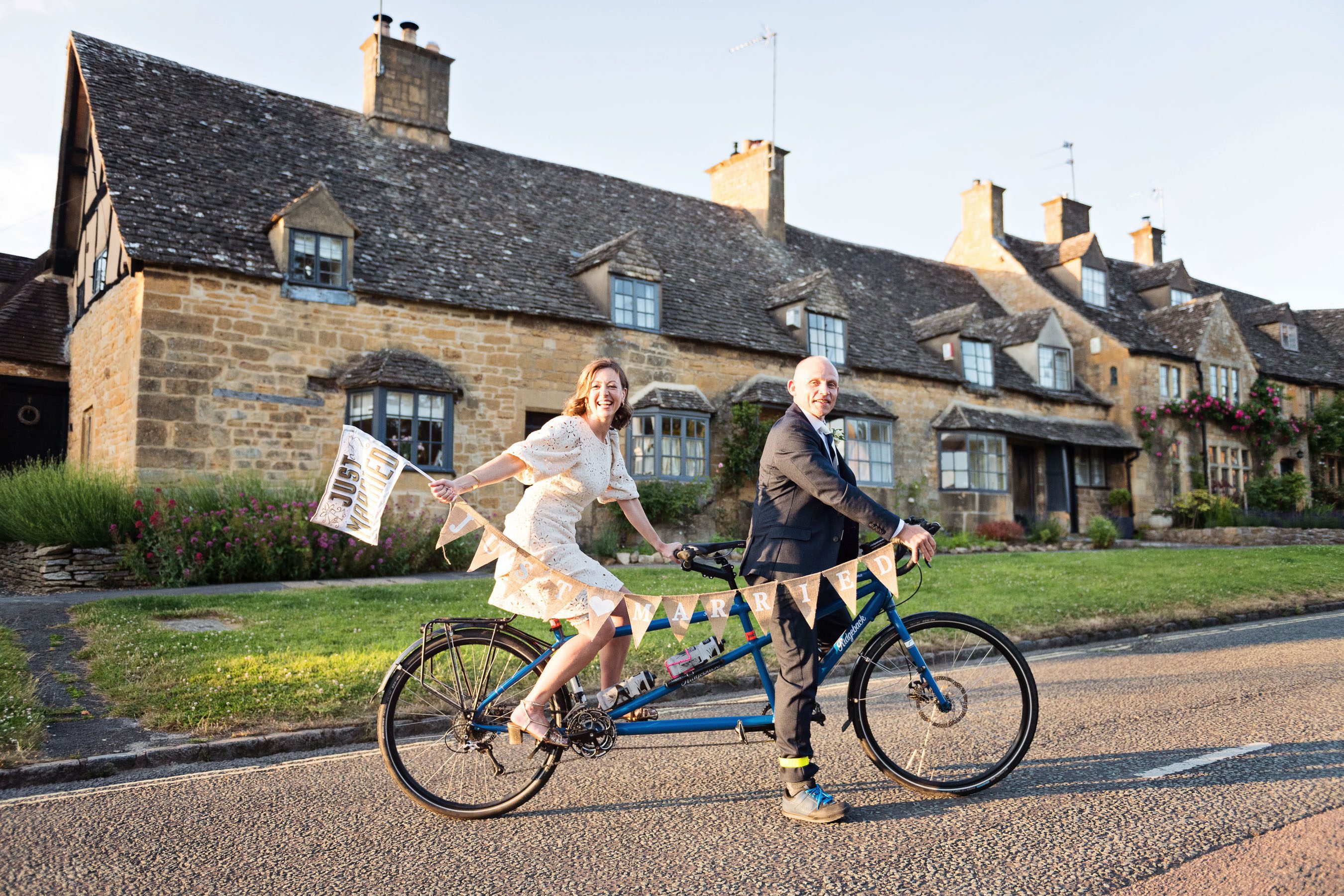
I notice parents watching quietly during speeches. Grandparents holding hands. Friends wiping away tears when no one’s looking. The in-between moments.
Weddings move quickly. The small things are often the most meaningful and they naturally help me create a story. When my couples look back on, they may have missed some of those moments but instead I’ve captured them for them to have.
10. If you were us, what would you prioritise?
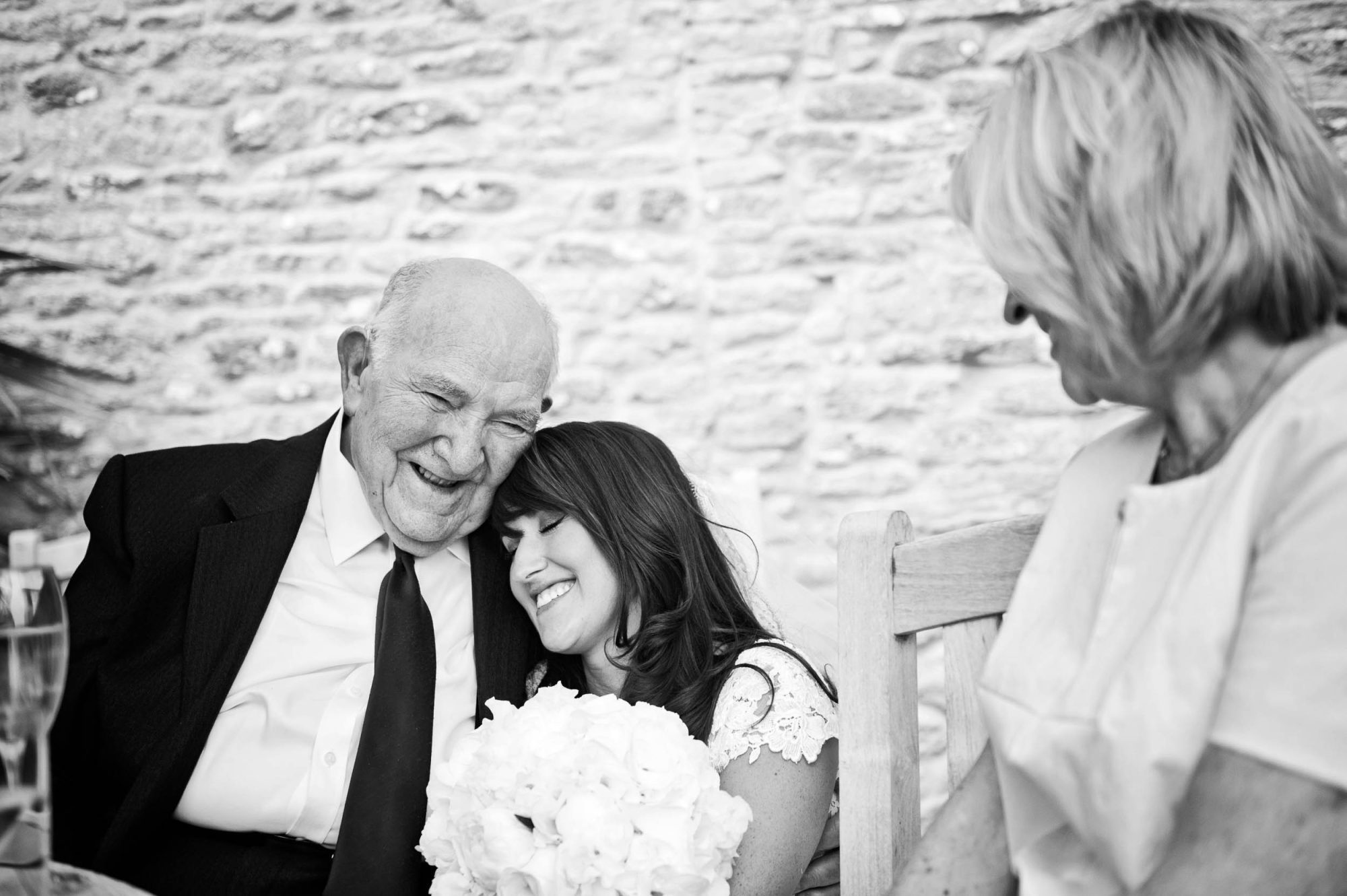
A good photographer won’t just talk about cameras and lenses. They’ll talk about experience. Flow. Light. Time with your guests. But my overall number one is space to breathe.
When planning your wedding it’s really hard to not allow some time just for yourselves to take a step back a little. The wedding day in itself, goes SO fast, and you’ve probably planned everything to the minute, but if you can, allow a bit of space alone (5 min here and 5 min there), so you and your partner can take stock together and breath, without being pulled to the next thing. It’s lush to pause for a moment and see all your favourite people enjoying themselves (I mean when do you every get all your fav people in a room together? Never right?), or just be in the moment and take stock that today you actually got married. Crazy, and certainly worth a pause for a moment.
After being married for over 20 years and having a family myself , I understand what it feels like on the other side of the camera. Your wedding day isn’t a photoshoot. It’s a milestone.
And the photographs should feel like that.
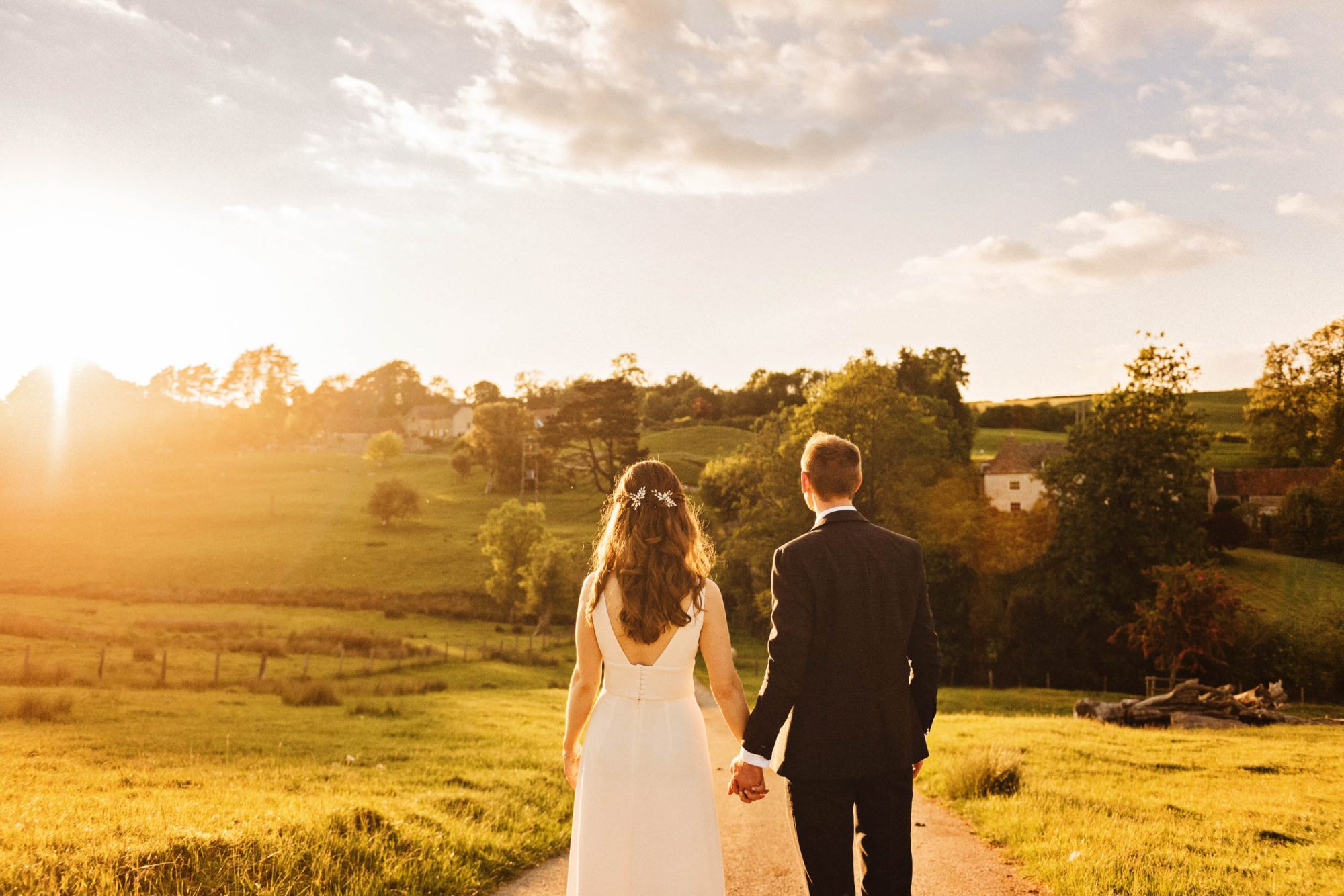
Ultimately, the photographer will be around you on your most important day more than any other supplier. Instead, choosing your wedding photographer should instead be about “how does the photographer fit into our day?”
If when meeting either in person or via a video call, you don’t feel that the person understands your vision or importantly for some reason you are having doubts about whether they on the day will they fit in with your family and friends? This is SO important, as it will impact your overall experience on the day.
It’s so important therefore to choose a photographer not only on price, but also one that makes you feel comfortable.
If you’re planning your wedding in Cheltenham, the Cotswolds or Gloucestershire and want to chat through any of these questions (or the ones you haven’t thought of yet), I’d love to hear from you.
No pressure. Just a relaxed conversation and some honest advice.